Don't just repost—remix. Learn how to combine existing content into new, platform-compliant assets like our 20-minute Tabata workout, and the rules you must follow.
If you're creating content, you've hit a ceiling. You can only produce so many new things from scratch each week.
The real leverage isn't in creating more raw material; it's in recombining what you already have into new, valuable products. At Vesper Media Labs, we call this "Asset Stacking."
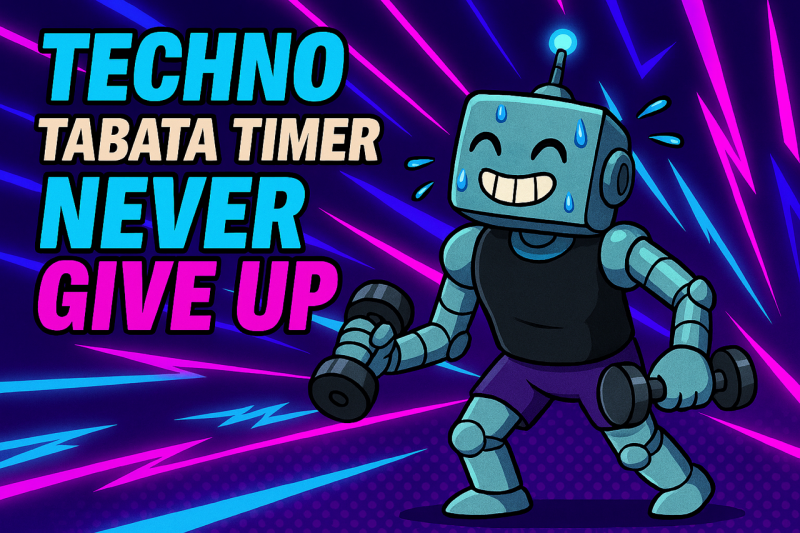
Last week, we took 5 existing Tabata timer videos and edited them into a new 20-Minute Tabata HIIT Workout video. This isn't a duplicate. It's a new product that serves a different need. Here's the framework we use to do this effectively—and compliantly.
The "Asset Stacking" Framework
Asset Stacking is the process of combining existing content assets (videos, audio, graphics) into a new format that provides unique value. The goal is to create something that feels fresh to both your audience and the platform's algorithm.
Our 20-Minute Tabata Compilation is a perfect example:
-
Raw Assets: 5 individual Tabata timer songs/videos.
-
Stacking Process: Seamlessly edited together with transitions.
-
New Product: A coach-led, 20-minute continuous workout experience.
-
New Value: Solves a different problem ("I want a full workout") than the original assets ("I need a 4-minute timer").
The 3 Rules for Platform-Compliant Remixing
You can't just upload the same thing twice. To ensure your new asset is seen as original, you must follow three rules:
1. Add Significant Transformative Value
The new version must be clearly different in purpose, experience, or composition.
-
DO: Edit clips into a tutorial, a compilation, a review, or a mashup with new commentary.
-
DON'T: Simply re-upload the same file with a new title.
2. Create Unique Presentation & Metadata
The wrapper around the content must be entirely new.
-
DO: Create a new title, description, and thumbnail that accurately describe the new product (e.g., "20-Minute Tabata Workout Compilation").
-
DON'T: Use the same title or a thumbnail from one of the source videos.
3. Provide Clear Attribution & Context (When Appropriate)
Be transparent and additive.
-
DO: In the description, credit or link to the original source materials. Explain the value of the new compilation.
-
DON'T: Try to hide the fact that it uses existing work.
Why This Strategy is a Force Multiplier
-
Scales Your Library Exponentially: 50 individual videos can be combined into 10+ unique compilations (e.g., "Best of 2024," "10-Minute Morning Routines").
-
Serves Different Audience Intents: Catches viewers searching for "full workout" vs. "short timer."
-
Re-Engages Old Content: Brings new attention to your older, high-quality assets.
-
Builds a Product Ladder: Turns single-use items into packages, increasing their perceived value.
Your Action Step: Audit Your Library for Stacking Potential
Look at your existing content and ask:
-
Can these 3 blog posts be combined into a definitive guide?
-
Can these 5 short tips be edited into a masterclass video?
-
Can these 10 product demos be stacked into a "top 10" review?
Stop thinking only in terms of creation. Start thinking in terms of architecture. Build new structures from the bricks you already have.
This is how you build an empire without infinite time. This is the Vesper Blueprint.
— Renato, Vesper Media Labs
#ContentStrategy #RepurposingContent #YouTubeGrowth #Productivity #DigitalAssets #ContentCreation #VesperMediaLabs
Maak jouw eigen website met JouwWeb